Optimal Timing for Weed Prevention
Effective weed prevention strategies depend heavily on timing. Implementing control measures at optimal periods can significantly reduce weed growth and spread. The timing varies based on climate, weed species, and local conditions, but generally, early intervention yields the best results.
Applying weed control methods prior to seed germination prevents weeds from establishing roots, reducing future infestations.
Spring is an ideal time to implement weed prevention, targeting young seedlings before they mature.
Addressing weeds immediately after emergence helps manage infestations before they become widespread.
Regular checks throughout the growing season ensure timely detection and control of emerging weeds.
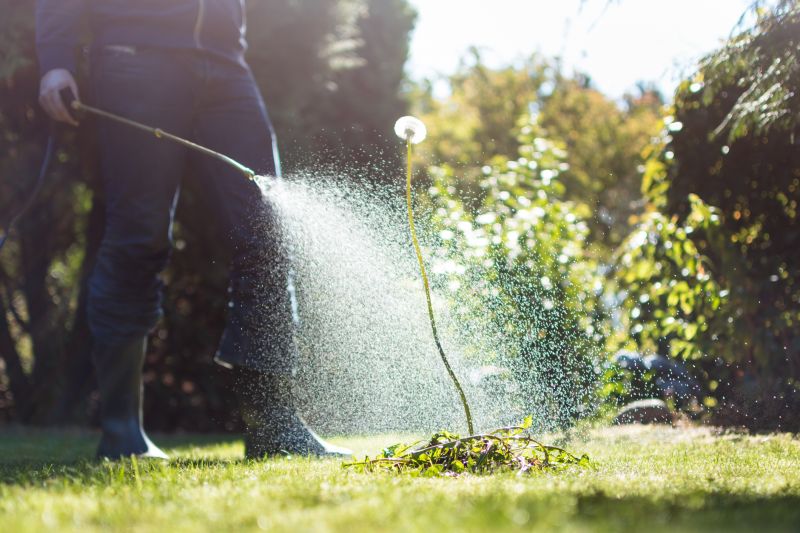
Implementing control measures as weeds begin to sprout can prevent establishment.
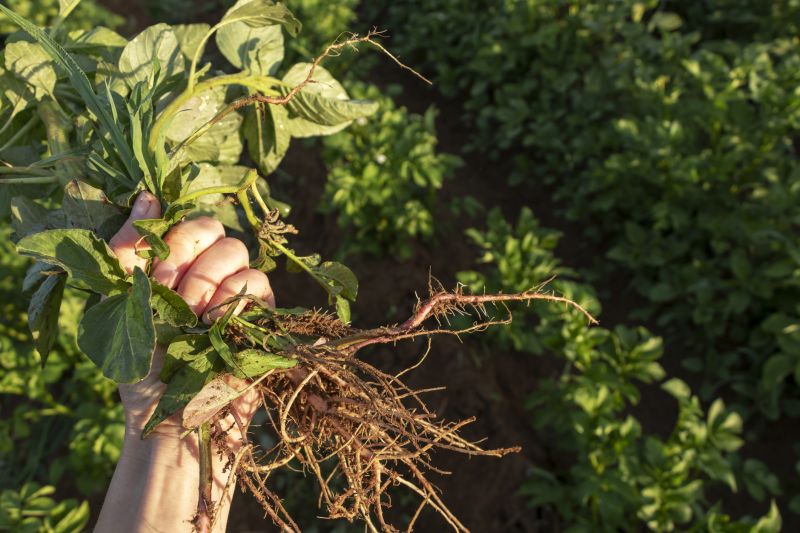
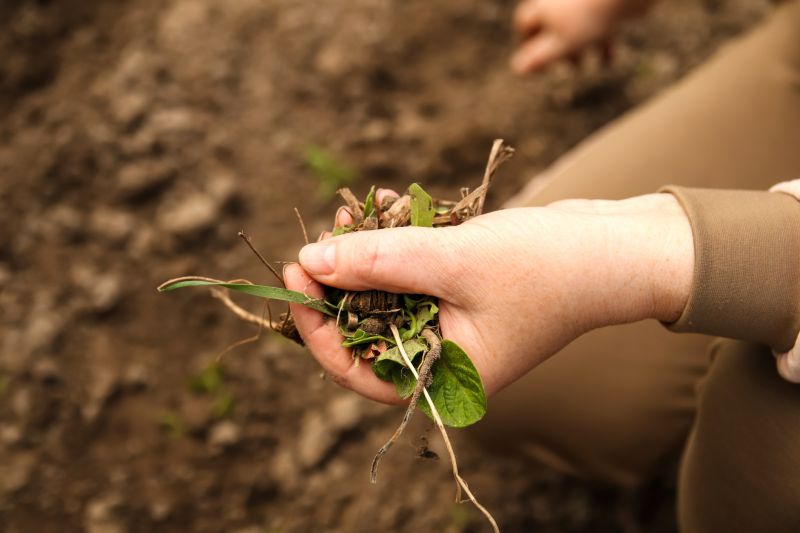
Removing weeds shortly after emergence limits their spread.
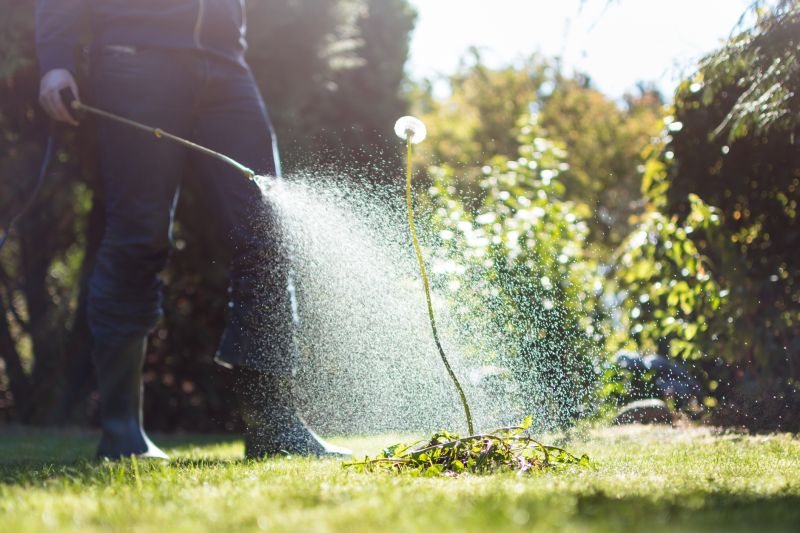
Monitoring landscapes across seasons helps maintain weed-free areas.
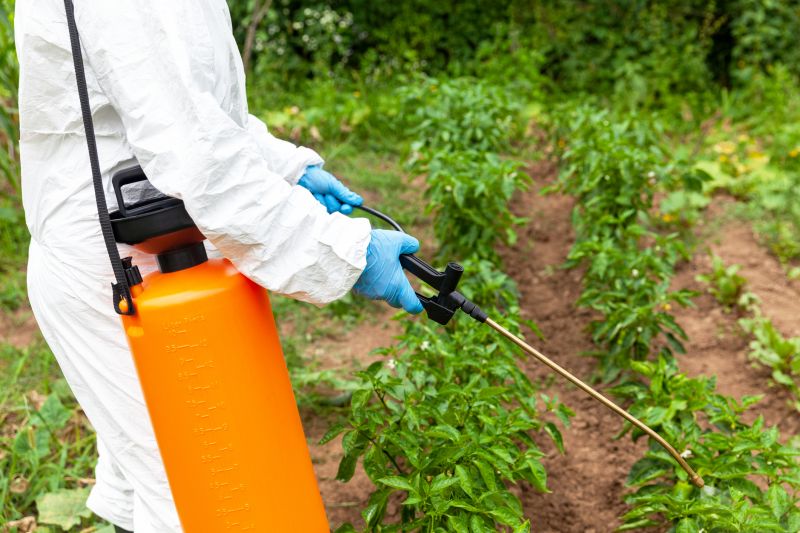
Ways to make Weed Preventions work in tight or awkward layouts.
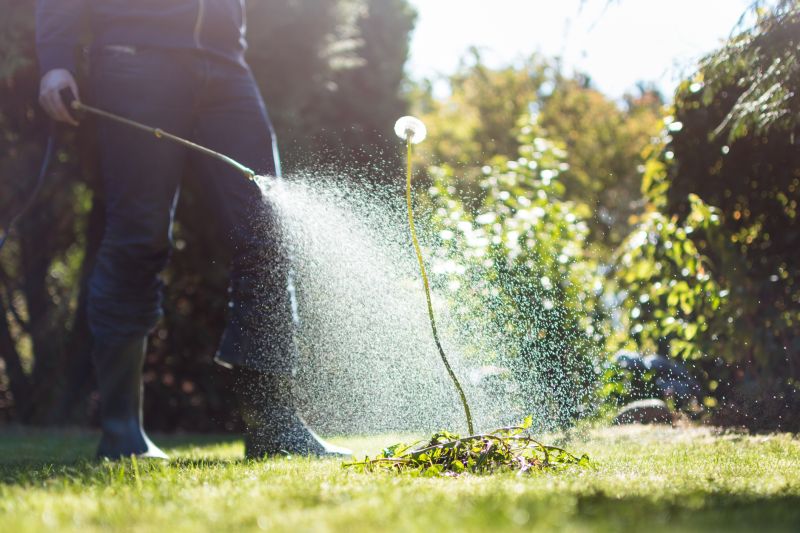
Popular materials for Weed Preventions and why they hold up over time.
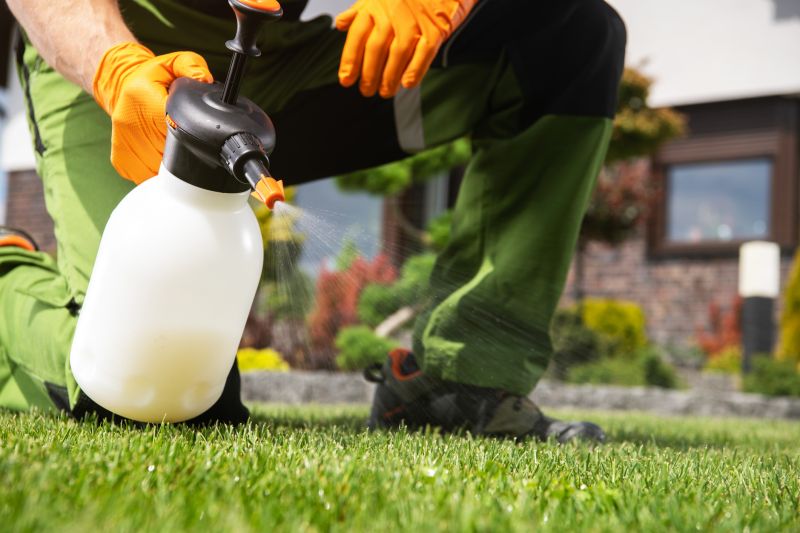
Simple add-ons that improve Weed Preventions without blowing the budget.
| Timing | Recommended Actions |
|---|---|
| Early Spring | Apply pre-emergent herbicides and mulch to suppress seed germination. |
| Late Spring | Monitor for emerging weeds and remove manually or with targeted treatments. |
| Summer | Maintain regular inspections and address weeds promptly. |
| Fall | Prepare for winter by removing weeds and applying preventative measures. |
| Winter | Inspect for overwintering weed seeds and plan for early spring control. |
Understanding the optimal timing for weed prevention can lead to more effective management and reduced labor in controlling invasive plants. Implementing strategies at key points during the growing cycle minimizes weed proliferation and supports landscape health.
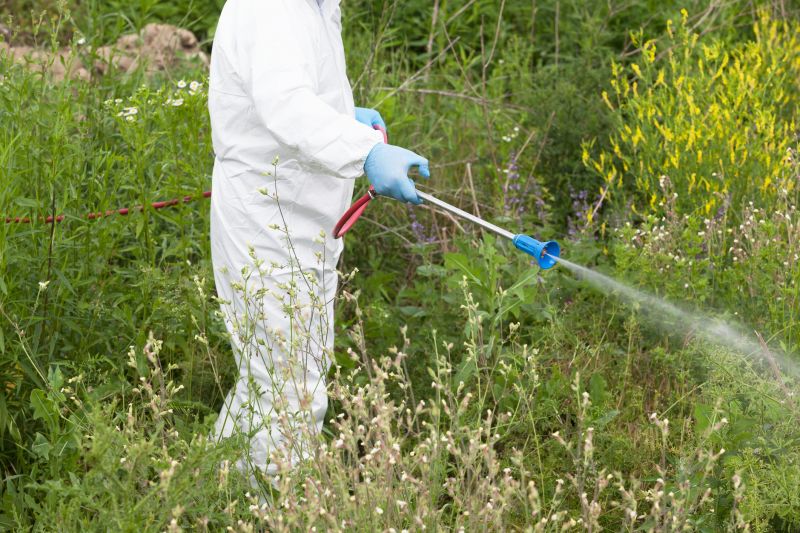
Visuals of early weed control measures in various landscapes.
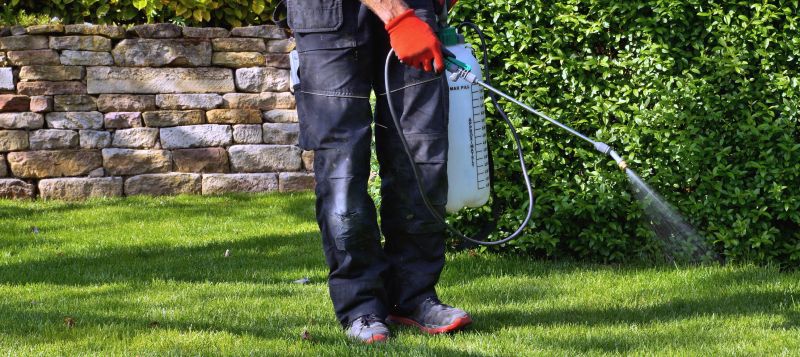
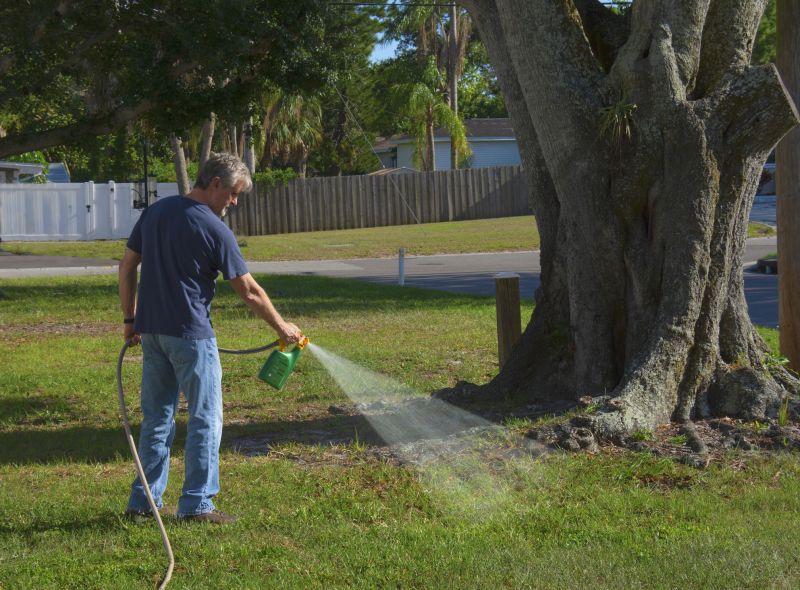
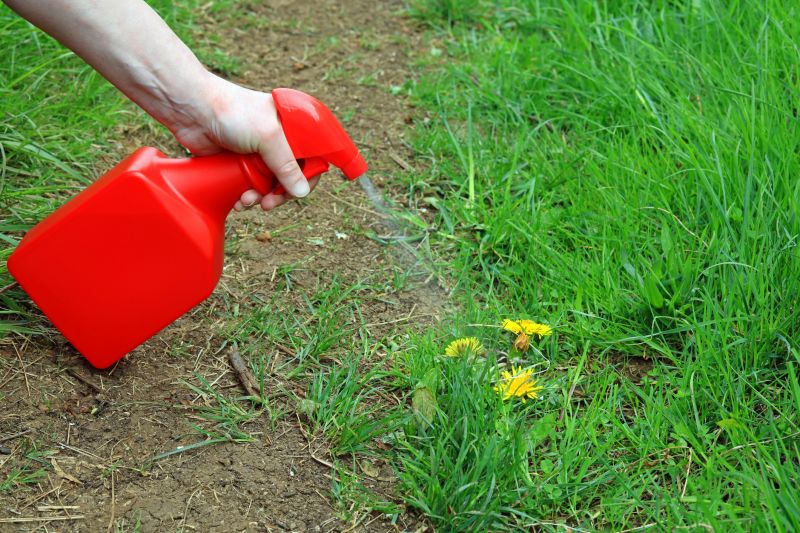
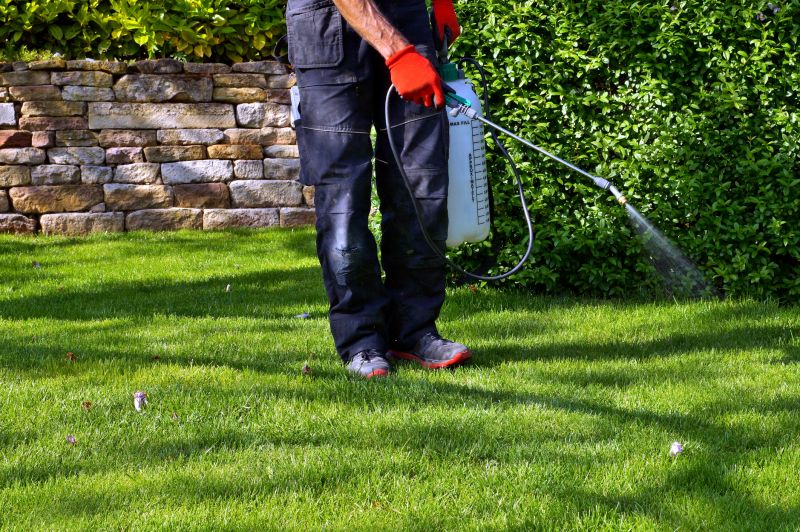
Images showing pre-emergent application and early removal.
Photos capturing landscape inspections across seasons.
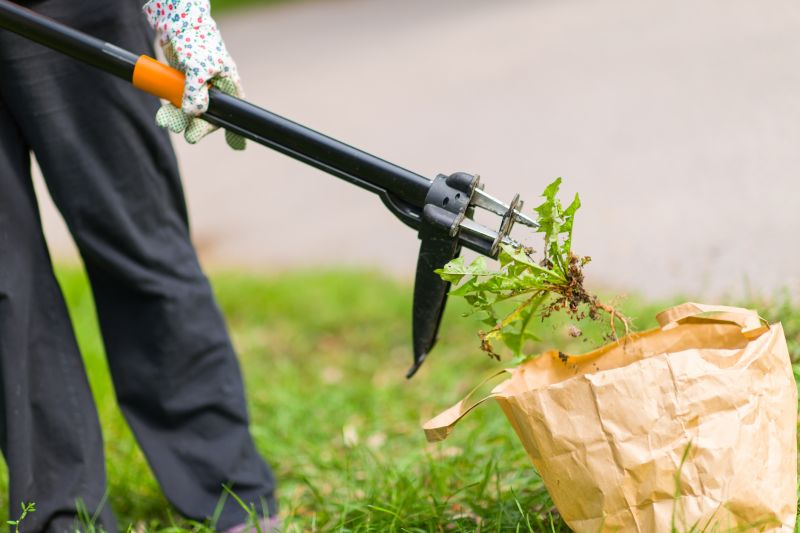
Pictures of manual and mechanical weed removal techniques.
Finishes and colors that play nicely with Weed Preventions.
Little measurements that prevent headaches on Weed Preventions day.
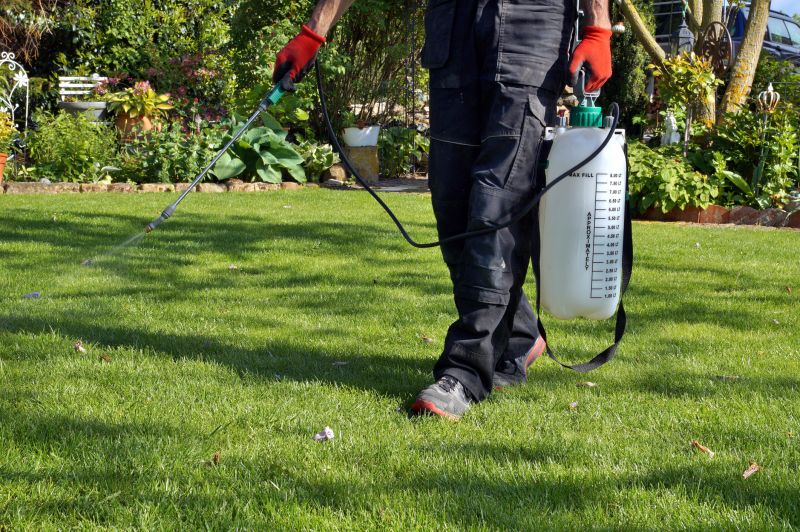
A 60-second routine that keeps Weed Preventions looking new.
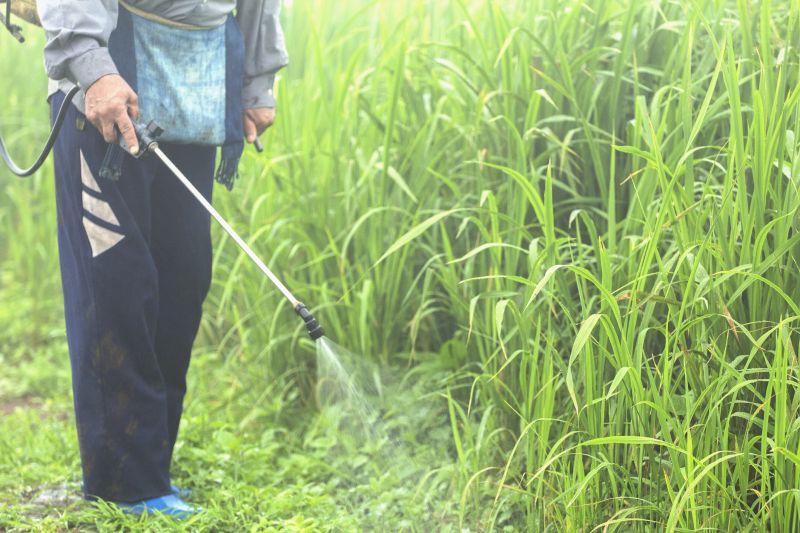
A frequent mistake in Weed Preventions and how to dodge it.

Small tweaks to make Weed Preventions safer and easier to use.
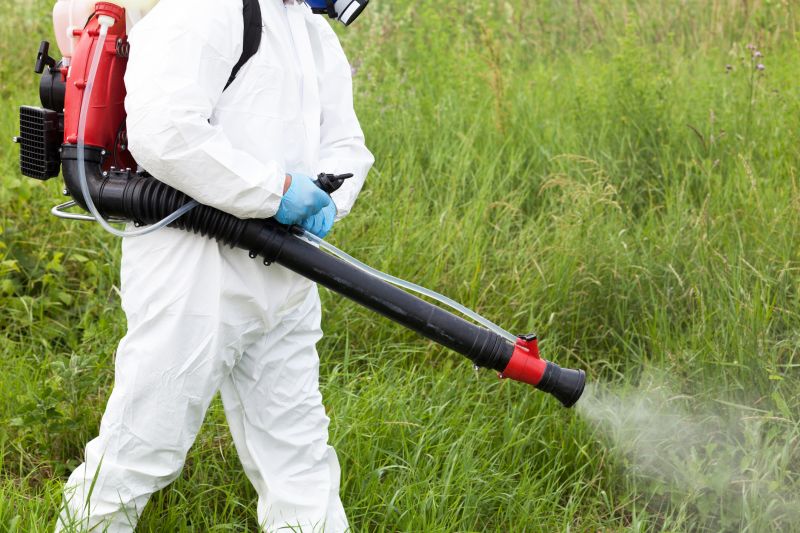
Lower-waste or water-saving choices for Weed Preventions.
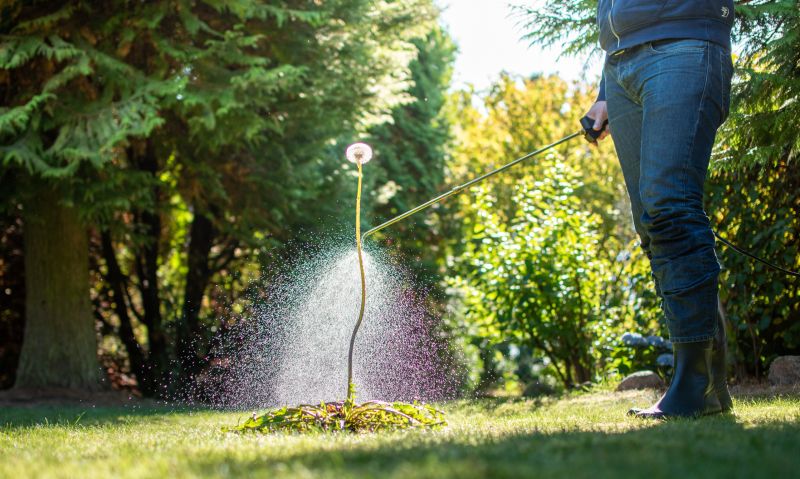
The short, realistic tool list for quality Weed Preventions.

Rough timing from prep to clean-up for Weed Preventions.
Timely weed prevention is essential for maintaining healthy, weed-free landscapes. Regular monitoring and early action are key components of effective management strategies.
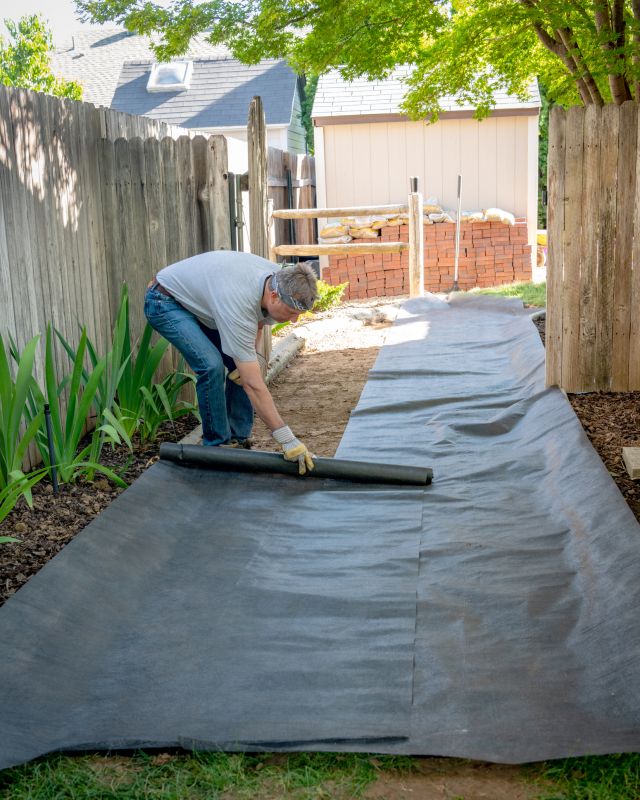
An image showing a landscape prior to weed control efforts.
Visual of a weed-free, maintained landscape after intervention.
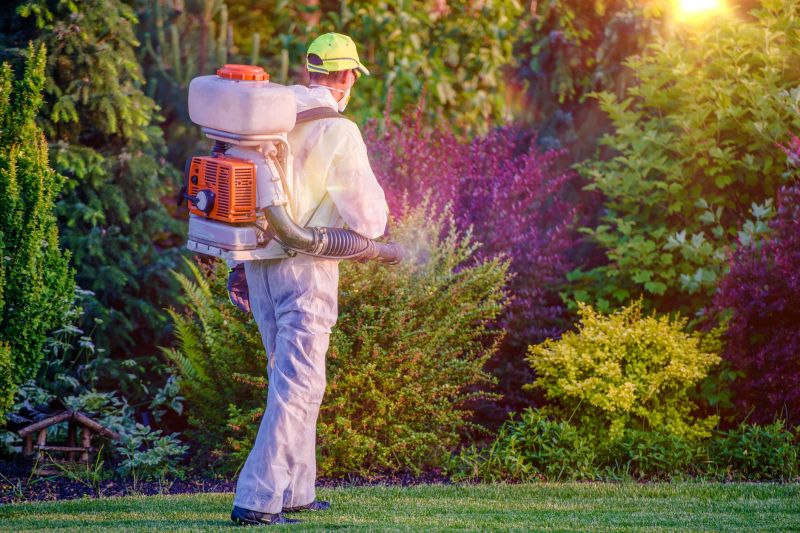
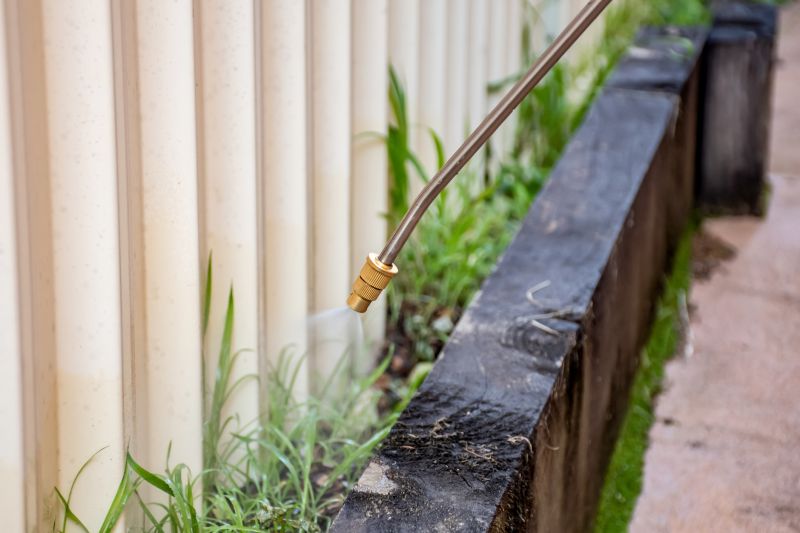
Various methods used across seasons for weed control.
Quick checks and paperwork to keep after Weed Preventions.
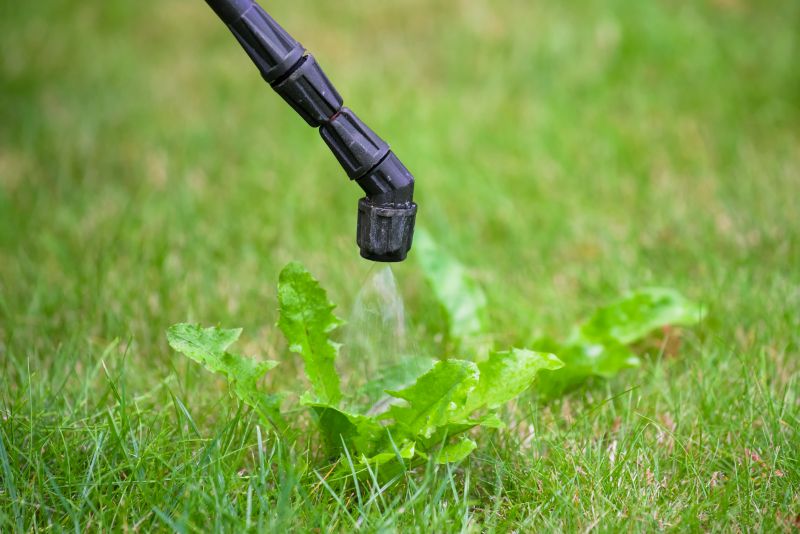
Examples that show the impact a good Weed Preventions can make.
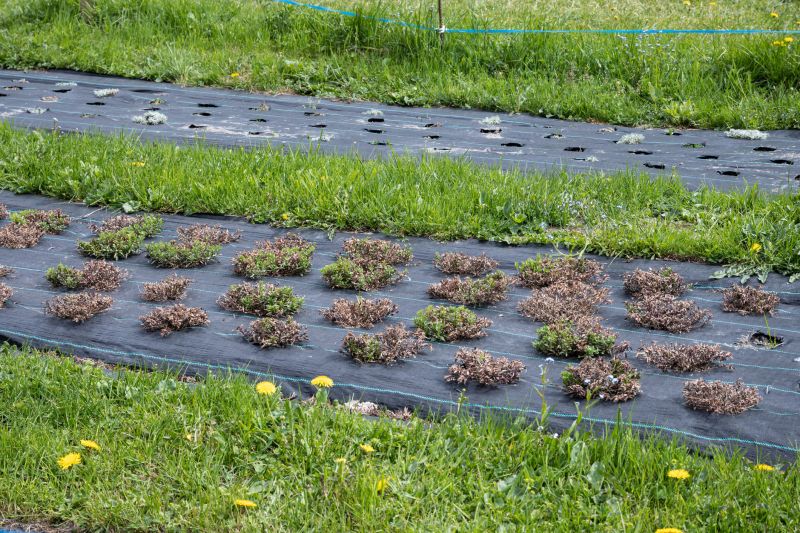
Ways to make Weed Preventions work in tight or awkward layouts.
For those interested in implementing effective weed prevention strategies, filling out the contact form can provide guidance tailored to specific landscape needs and local conditions.